Unearthing ancient STEM breakthroughs
Step into the forgotten chapters of innovation. Discover the lost engineering, mathematics, and scientific genius that shaped the ancient world, revealing legacies centuries ahead of their time.

Nok terracotta & iron metallurgy
Journey to ancient Nigeria, around 1000 BCE, where the Nok civilization pioneered advanced terracotta art and sophisticated iron smelting techniques. This mastery of materials marks a significant leap in human technological progress, showcasing a deep understanding of high-temperature processes and artistic expression.
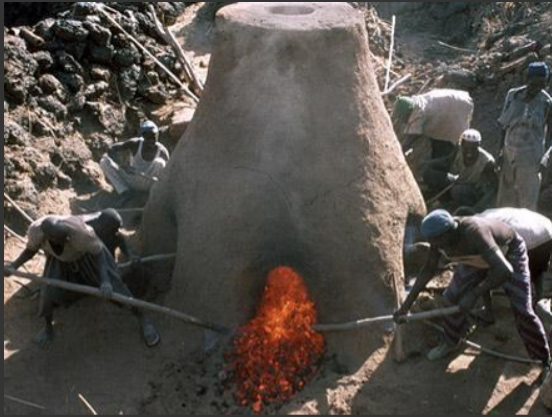
Ancient carbon steel of the Haya
In Tanzania, approximately 1,500 years ago, the Haya people developed a unique method for smelting high-carbon steel. Their innovative furnaces achieved temperatures far exceeding those found in Europe at the time, demonstrating a profound empirical understanding of metallurgy and material science.
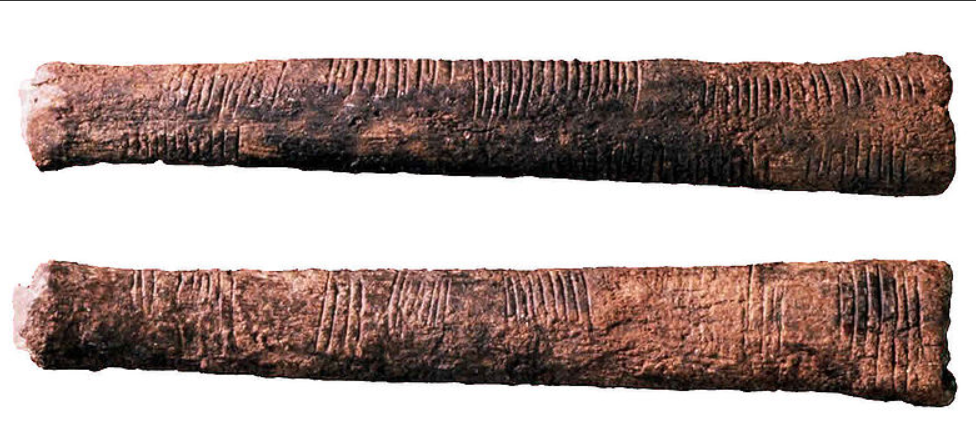
The Ishango bone & early tally systems
From the Democratic Republic of Congo and the Nile Basin, dating back around 20,000 years, the Ishango Bone stands as a testament to early mathematical notation. This artifact, along with the Lebombo Bone from Eswatini, reveals sophisticated tally systems and numerical computing, challenging conventional timelines of mathematical development.

Pioneering medicine: Caesarean sections of Bunyoro
Explore the remarkable medical practices of pre-colonial Uganda, where Banyoro surgeons routinely performed successful Caesarean sections. Their advanced techniques included surgical antisepsis and effective post-operative care, showcasing an empirical understanding of medicine and pharmacology centuries before similar procedures were common in the West.
The African legacy of STEM
These groundbreaking innovations highlight that African STEM was not accidental or primitive, but empirical, systematically engineered, and far ahead of its time. Ancient African civilizations applied the scientific method—testing thermodynamics in iron furnaces, mastering surgical antisepsis, and calculating mathematical sequences long before similar systems were formalized in the West. This narrative reclaims Africa's role as a cradle of chemistry, medicine, and engineering, inspiring awe and intellectual pride.